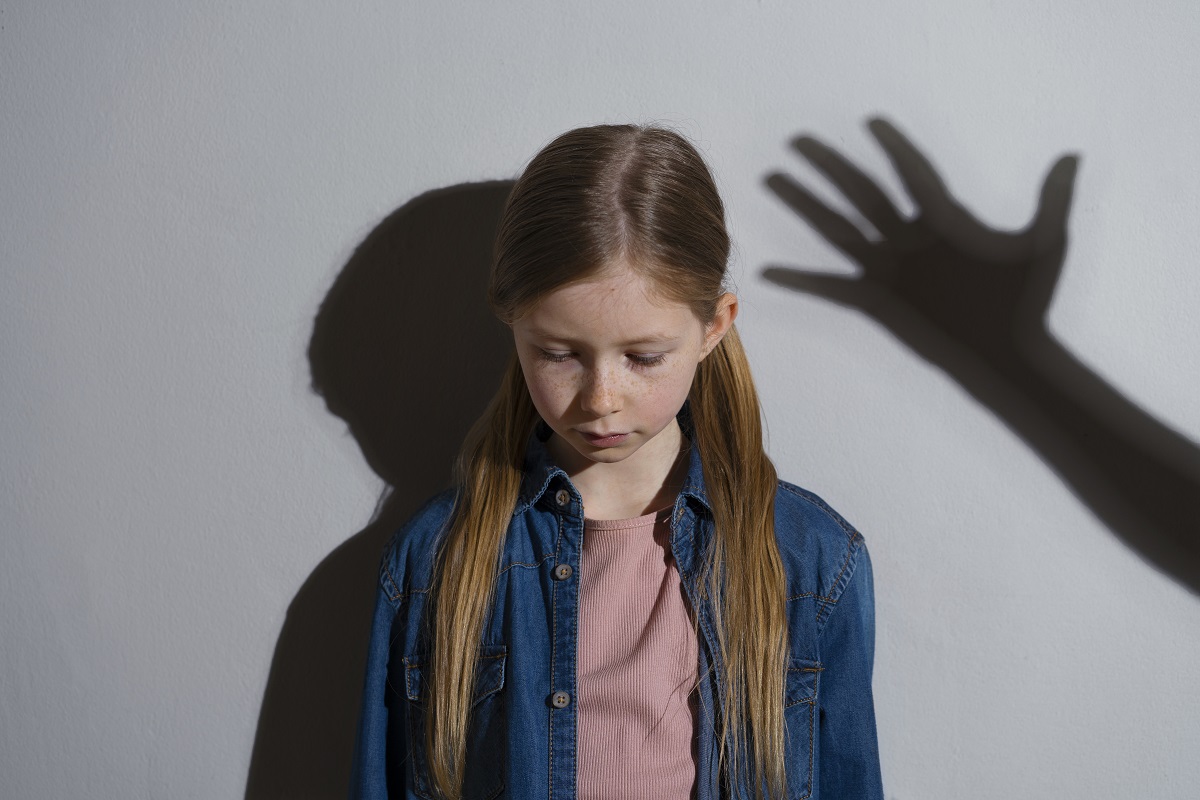
Expressing an emotional response to a situation—whether it be anger, sadness, or happiness—is a matter of upbringing and learning; it is acquired and shaped in early childhood. Overwhelmed by fatigue and the demands of the child, as well as work, finances, and existential issues, parents may interpret a child’s behavior as intentionally defiant, naughty, or manipulative. In such moments, adults may resort to physical punishment—often because they don’t know a better way.
Physical punishment is never justified
— it is extremely harmful to the child and is legally punishable. The outcome of physical punishment is never better than what could be achieved through conversation or patience. Conversation requires a great deal of effort and self-control on your part, but in the long run, it will help your child manage challenging situations and their emotions more effectively.
Physical punishment, i.e., hitting a child for the purpose of discipline, not only causes physical harm, but also prevents the development of self-regulation, leads to low self-esteem and self-confidence, and causes a loss of trust, which may result in the child not turning to you in critical situations out of fear (e.g., if they accidentally turn on the stove and can’t turn it off), along with a range of emotional and behavioural problems.
When you find yourself in a situation where it seems like your child is being deliberately defiant, challenging, or “naughty,” try asking yourself the following questions:
- How are you reacting? Were you preoccupied with something else until that moment, and now you are giving them attention? Is the child just trying to connect with you?
- How angry are you in this situation? Why are you angry? What are you feeling? Who are you really angry at—the child, yourself, or someone else?
- Do you feel the eyes of others on you? Are you feeling ashamed of your child’s behaviour? Are you actually trying to punish yourself?
- How hard is this for the child? How do you react when you are extremely angry, tired, when nothing is going right, and when others don’t respect you? Are your expectations of the child higher than those you have of yourself?
What can you do instead of hitting your child?
When you feel like you can’t take it anymore and feel the urge to react physically—stop yourself.
- Count to 10, remove yourself from the situation, go briefly into another room until you calm down, but don’t leave the child alone for too long.
- Try to understand the situation you are in, reflect on why it frustrates you so much and why you think there’s no other way to handle it.
- Tell your child that you are there for them, that you love them regardless of how they feel, and that you see they are having a hard time. This will also help reduce your own anger. Reassure the child that you will not leave them, no matter how they behave. Often children test boundaries as a way to manage their own fear of abandonment.
- Tell yourself it’s okay to feel overwhelmed if that is how you feel. Because if it is hard for you to control yourself, you can surely understand why it is hard for your child too.
- Finally, seek professional help. Physical punishment often brings feelings of shame due to loss of control, which leads adults to hide their reactions and prevents them from seeking help. Professionals are there to listen and support you without judgment—if you are willing to work on yourself. Ultimately, both you and your child will be happier.
- Parenting workshops such as “Growing Up Together” are an example of professional support services and peer exchange in parent groups, offered by kindergartens and family centers throughout Croatia. If your child attends a kindergarten in Croatia, ask whether Growing Up Together workshops are offered and how you might get involved.
- Remember—physical punishment is always a problem for the adult to resolve, a behavior the adult needs to change, and only the adult has the power to change it.
Exract from the brochure “Safe Childhood”, UNICEF 2020.


 0
0


 English


